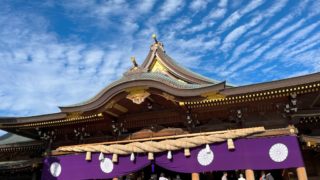
Explore the mystical world of Kifune Shrine, nestled in Kyoto’s forested mountains. Discover sacred water rituals, dragon legends, and spiritual energy in every season.
A Journey Upstream, Toward the Sacred
As you step off the train and begin your walk along the Kifune River, the air begins to change.
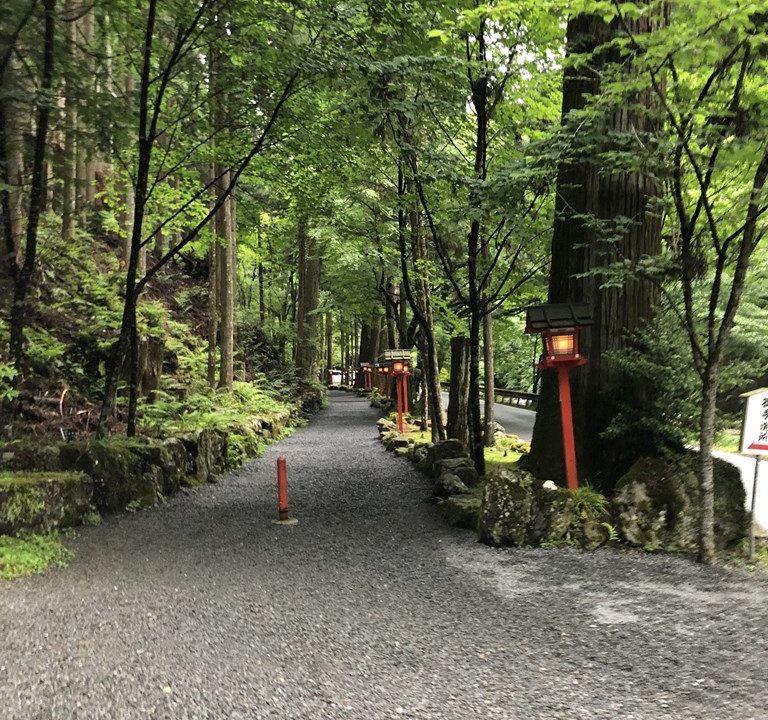
A gentle breeze carries the scent of moss and cedar. The sound of flowing water accompanies each step.
And then, as if emerging from the forest itself, the shrine appears—red lanterns lining the stone steps, leading your spirit upward.
Kifune Shrine, or Kibune (気生根), is often translated as “the root where ki—life energy—is born.”
For over 1,300 years, this sacred site has been a place of prayer for rain, purification, and spiritual renewal.
History and Origins
Though the exact founding date remains unknown, Kifune Shrine is recorded in historical documents as early as the 8th century.
Its history weaves together legend and faith—stories passed down through generations.
According to one tale, Princess Tamayorihime, the mother of Japan’s first emperor, sailed up the river and enshrined the water deity where her boat came to rest.
Another legend speaks of the god of water descending to a sacred stone here on an auspicious ox-day.
Even today, visitors follow the river upstream to reach this powerful spiritual site—echoing the journey of old.
The Deities of Kifune
The main deity of Kifune is Takaokami-no-Kami, a dragon god who controls rain, water, and all its blessings.
Prayers here often seek protection from natural disasters, safe travels, or emotional clarity.
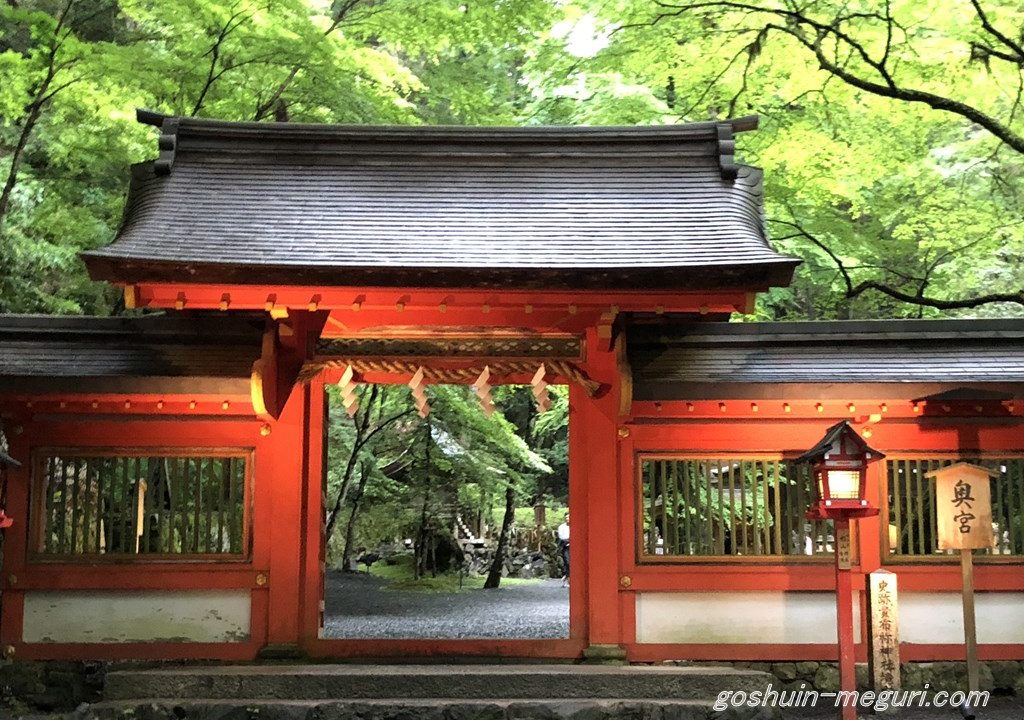
At the inner shrine (Okumiya), the original enshrinement site, the sacred dragon’s energy is said to pulse beneath the ground.
The middle shrine (Yui-no-Yashiro) enshrines Iwanaga-hime no Mikoto, goddess of lasting relationships and enduring connections.
Three Shrines, One Pilgrimage
Visiting all three shrines—Hongū (main shrine), Okumiya (inner shrine), and Yui-no-Yashiro (middle shrine)—is called Sansha Mairi.
This “three-shrine pilgrimage” is believed to deepen the spiritual experience, guiding one through past, present, and future blessings.
Each shrine has its own character:
-
Hongū greets you with grandeur and spring water.
-
Okumiya embraces you with ancient stillness.
-
Yui-no-Yashiro invites your prayers for connection and love.

Highlights of Kifune Shrine
The Iconic Lantern Steps
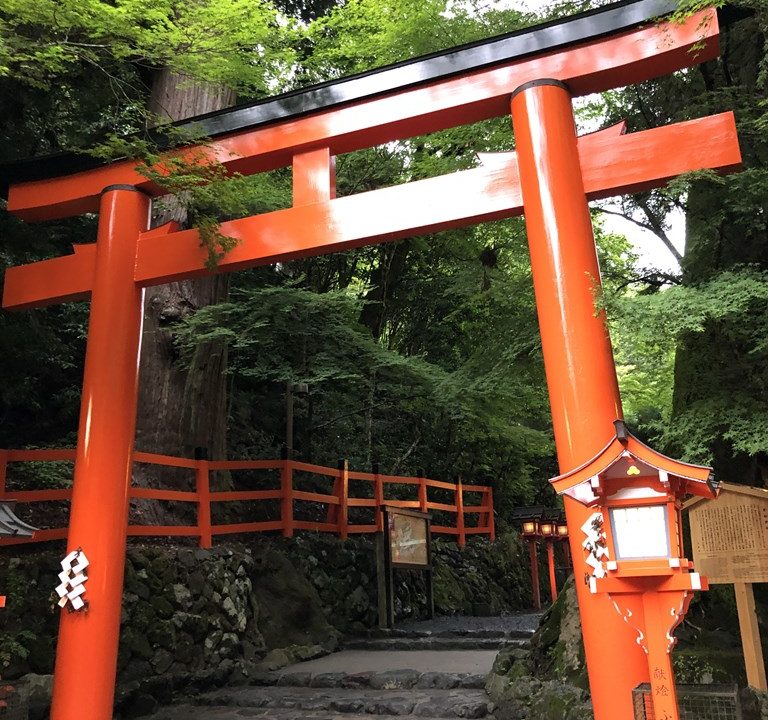
The red lanterns lining the stone steps are perhaps Kifune’s most photographed feature.
Whether dusted with snow or glowing softly at dusk, they offer a timeless welcome.
Water Fortune – Mizu-uranai Omikuji
A must-try ritual: place your omikuji (fortune paper) on the sacred spring.
As the water reveals the hidden message, it feels as if the gods themselves are whispering guidance.

The Origin of Ema (Votive Plaques)
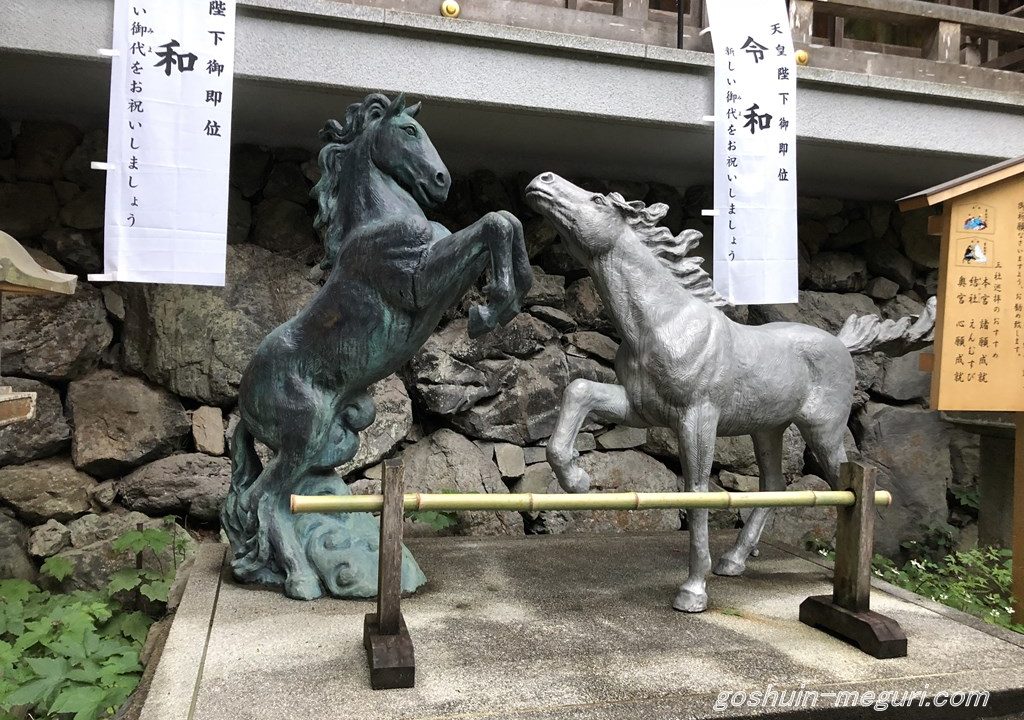
Long ago, real horses were offered to pray for rain or fair weather.
This evolved into wooden plaques with horse drawings—known today as ema. Kifune Shrine is believed to be where this tradition began.
The Dragon’s Hole (Ryūketsu)
Beneath the Okumiya lies a forbidden sacred spot—Japan’s legendary dragon hole.
It is never shown to the public, but pilgrims sense its energy as they stand nearby.
The Shrine of Connection – Yui-no-Yashiro
Here, visitors write their hopes for love, reconciliation, or harmony on slips of paper and tie them to sacred trees.
It is not just about romance—this shrine blesses all meaningful bonds.

Practical Tips for Your Visit
🕰 Best Seasons: Spring’s fresh green, summer’s cool escape, fiery autumn foliage, or snow-covered winter—Kifune is breathtaking year-round.
🚃 Access: From Kyoto Station, take the Eizan Railway to Kibuneguchi Station. Walk 30 mins or take a bus to the shrine.
👟 Wear: Comfortable shoes—stone paths can be slippery in rain or snow.
Final Thoughts
Kifune Shrine isn’t just a destination—it’s a transformation.
Here, time slows.
You listen more deeply.
You breathe differently.
In every drop of sacred water, in every echoing footstep along the mountain path, you may find something you didn’t know you were seeking.
Come not just to see, but to feel.
Kifune will meet you quietly—and leave something with you as you go.